
Cart
0
Finding hairstyles that are cute, manageable, and gentle on your child’s hair can feel overwhelming, especially with an active lifestyle and a busy family schedule. The good news is, the best styles for children with afro-textured, coily, or kinky hair are often the simplest ones. In many cases, protective styles offer the best results with the least effort.
The right hairstyle will not only save time throughout the week but will help reduce tangles, retain moisture, and prevent breakage. Most importantly, protective styles make natural hair more manageable between wash days.
Whether your child has afro hair, coily curls, kinky hair, or type 4 natural hair, this guide will walk you through easy styles that keep their hair healthy, protected, and easier to maintain.
What Are Protective Hairstyles?
Many people assume all braid styles are protective, but that is not always true. A true protective style helps minimize manipulation, tangling, friction, and breakage. By keeping the ends of the hair tucked away, these styles are essential to maintaining healthy, natural hair.
These styles are especially helpful for dry afro hair, easily tangled coily hair, and kinky hair that is more prone to breakage. The goal is not to hide the hair. It is to make daily care gentler and more manageable for parents and their kids.
Benefits of Protective Hairstyles for Kids
Protective styles can make a big difference in your child’s routine. They help the hair stay moisturized longer and make mornings smoother. You’ll also notice fewer tangles and less breakage.
Key benefits include:
-
Less daily styling
-
Better moisture retention
-
Fewer knots and tangles
Protective styling also stretches coily and kinky hair, which makes detangling much easier on wash day.
Protective Hairstyles That Make Natural Hair Care Easier for Kids
The best protective hairstyles for kids are usually the ones that feel comfortable, use low tension, and are easy to maintain. They should also be gentle on the hairline, especially for younger children.
Two-Strand Twists
Two‑strand twists are one of the easiest and most versatile hairstyles for afro and coily‑haired kids. They’re simple to install, gentle on the scalp, and can last several days while helping reduce tangling. Twists also keep the hair stretched, which makes daily maintenance smoother.

Tip: Try to avoid using small elastic bands where possible. While they may make styling easier, they can cause tension, breakage at the root, and stress on the hairline over time.
Why parents love this style:
-
Easy to install
-
Gentle on the scalp
-
Can last several days
-
Help reduce tangling
Best for:
-
Toddlers
-
Younger kids
-
Thick or dense coily hair
Need a visual how-to? Browse this hairstyle on Instagram for inspiration and styling tutorials.
Flat Twists
Flat twists are similar to cornrows but are often gentler and easier for beginners to create. They’re great for stretching the hair, protecting the ends, and creating neat styles without too much tension. Flat twists also pair well with other styles like puffs, twists, buns, or mini twists.
Why parents love this style:
-
Gentle alternative to cornrows
-
Creates neat, low‑tension styles
-
Helps stretch the hair
-
Works well with other styles
Best for:
-
Kids who prefer low‑tension styles
-
Shorter to medium‑length hair
-
Parents new to protective styling
Mini Twists
Mini twists take longer to install but can last longer than larger twists, making them a great option for maintaining coily hair between wash days. They’re low manipulation, easy to refresh, and help the hair retain moisture. Once they’re in, the day‑to‑day routine becomes much easier.
Why parents love this style:
-
Long‑lasting protective style
-
Low manipulation
-
Easy to refresh
-
Helps retain moisture
Best for:
-
Older toddlers and school‑age kids
-
Busy weeks when you need a long‑lasting style
Puff Hairstyles
Puffs are a quick, go‑to style for busy mornings. You can do a single puff, double puffs, or half‑up variations depending on your child’s hair length and mood. Puffs work best when the hair is moisturized, gently stretched, and protected overnight. Just be sure not to pull too tightly around the edges.
Photo by Jaye Iyanu from Pexels
Why parents love this style:
-
Fast and easy for busy mornings
-
Cute and versatile
-
Works on many hair lengths
-
Low effort when hair is already stretched
Best for:
-
Toddlers and school‑age kids
-
Short to medium‑length hair
-
Days when you need a quick, simple style
Braids for Natural Hair Kids
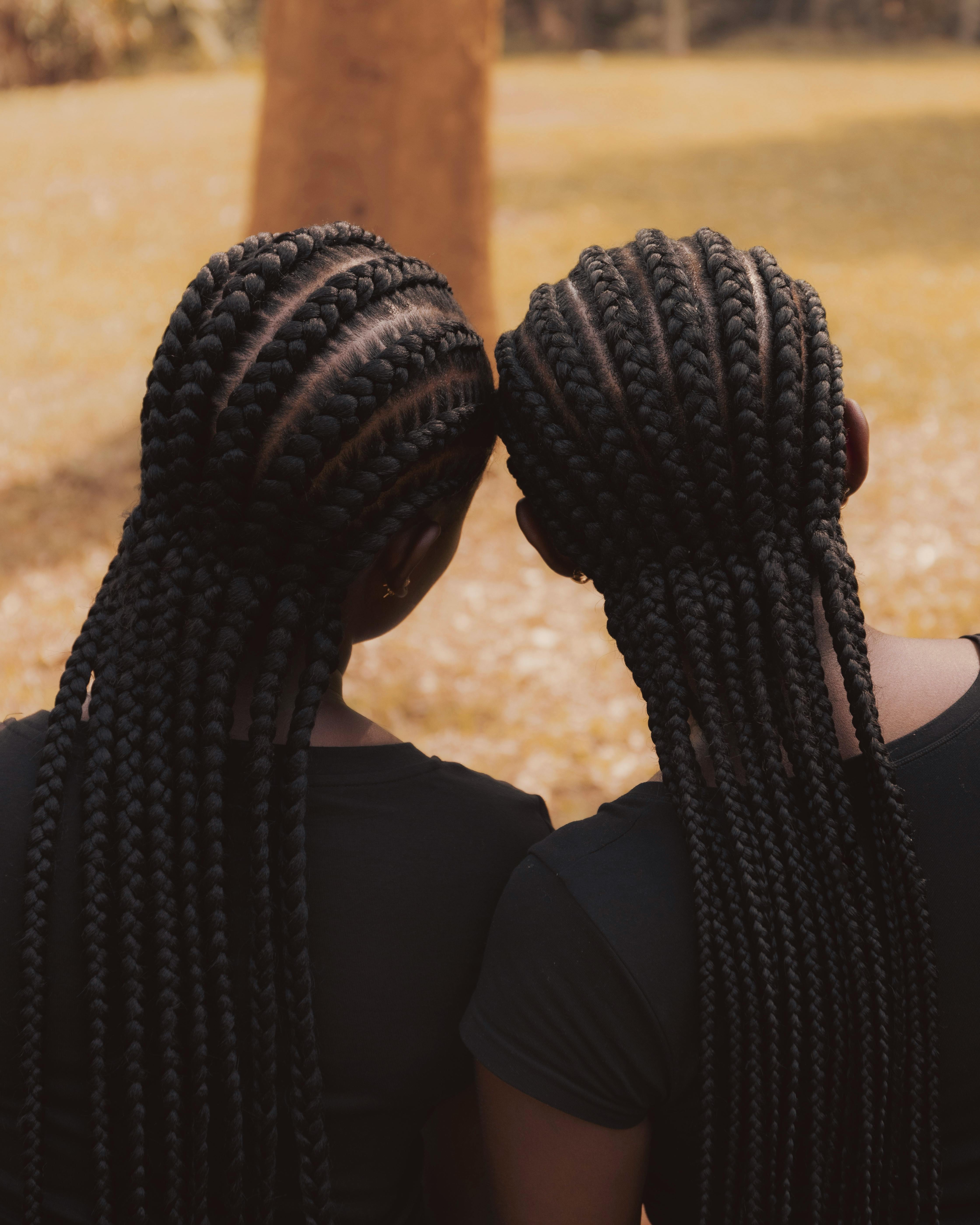
Braids are another popular protective style because they’re long‑lasting and low maintenance. They help reduce daily manipulation and keep the hair neat throughout the week.

Photo by Matilda Jacob from Pexels
To keep braids healthy, make sure they stay:
-
Comfortable
-
Lightweight
-
Not overly tight
Tight braids can lead to scalp pain, hairline tension, and breakage over time, so gentle installation is key.
Best Protective Hairstyles for Afro & Coily Hair Kids by Age
Different ages often need different styling approaches. As kids grow, their routines, patience levels, and hair needs change, and their hairstyles should grow with them.
Hairstyles for Toddlers (1–3 Years Old)
At this age, comfort and simplicity are everything. Since toddlers have limited patience, try to keep styling sessions short, gentle, and low-tension to ensure a stress-free experience.
Best options:
-
Chunky twists
-
Puffs
-
Simple braids
Keeping things easy helps protect their delicate hairline and makes hair care feel calm and positive.
Hairstyles for Young Kids (4–7 Years Old)
Kids in this age range can usually handle slightly longer routines, and their hair often holds styles better. This is when you can start introducing more structure and predictable maintenance habits.
Good options include flat twists, braided puffs, and medium twists. These are styles that last longer and reduce daily manipulation.
Hairstyles for Older Kids (8+)
Older kids often enjoy choosing their own styles and learning basic maintenance skills. This is a great stage to introduce more creative protective styles and teach them how to care for their hair with confidence.
Building these habits early helps them feel proud and independent in their natural‑hair journey.
How to Make Protective Styles Last for Coily & Kinky Hair
Protective styles work best when the hair stays moisturized and protected. A few simple habits can help styles look fresh for days.
To help styles last:
-
Moisturize regularly
-
Sleep with satin protection
-
Avoid excessive touching or restyling
-
Refresh dry sections as needed
These steps help prevent frizz, dryness, and tangling — the main reasons styles fall apart early.
How to Protect Natural Hair Overnight
Nighttime protection plays a huge role in preserving protective styles. Reducing friction keeps the hair smooth, moisturized, and intact.
Helpful nighttime essentials:
-
Satin bonnet
-
Satin scarf
-
Satin pillowcase
Cotton pillowcases absorb moisture and create friction, often leading to dryness and frizz.
Protective Hairstyle Mistakes to Avoid
Protective styles should protect the hair, not cause damage. Here are a few common mistakes that can work against you if you’re not careful:
-
Styling Too Tightly: Tight styles can cause breakage, thinning of the hairline, and scalp irritation. If your child mentions discomfort or pain, the style is too tight.
-
Leaving Styles in Too Long: When styles stay in past their limit, they can lead to tangling, product buildup, and matting. Refresh or remove styles before they become difficult to manage.
-
Skipping Moisture: Even with protective styles, the hair underneath still needs moisture. Dry hair can break, even when tucked away.
-
Restyling Edges Every Day: Constant edge manipulation creates tension and can weaken the hairline. Gentle handling is always better.
Frequently Asked Questions
What’s the best protective hairstyle for kids with afro or kinky hair?
Simple styles like:
- Twists
- Puffs
- Braids
- Flat twists
…usually work best because they’re easy to maintain and gentle on the hair.
How long should protective styles stay in?
Most styles can last:
- Several days to 2 weeks
It depends on:
- Hair type
- Moisture levels
- How well the style is maintained
- Lifestyle
Are braids good for kids with afro or kinky hair?
Yes, when done gently.
Avoid:
- Tight tension
- Heavy extensions
- Styles that pull on the edges
How do I keep coily hairstyles looking fresh?
Focus on:
- Moisture
- Satin protection that keeps the hair smooth at night and during active play or sports
- Light refreshing instead of full restyling
One More Thing Before You Go
The best protective hairstyles for afro, coily, and kinky‑haired kids are the ones that make hair care easier, not more stressful. You don’t need complicated techniques, tight styles, or hours of styling time to keep your child’s hair healthy.
Simple, low‑manipulation styles often work best for maintaining moisture, reducing tangles, and keeping natural hair manageable day-to-day.
You’ll learn over time which styles fit your child’s hair, lifestyle, and routine. And most importantly, protective styling can help your child feel confident, comfortable, and proud of their natural hair.
Related Guides
Read the full guide on how to care for afro, coily & kinky hair for kids
Learn the best daily routine for kids with afro, coily & kinky hair
Learn the best wash day routine for kids with afro, coily & kinky hair
See the best natural hair products for kids with afro, coily & kinky hair

